Shared Economy: A more sustainable approach
The shared economy or the sharing economy is based on the principle of collaborative and more sustainable consumption. This is an economic model that can be included as an integral part of the circular economy model. It actively promotes the concept of resource optimisation by sharing, renting, and using under-utilised resources and assets. The goal of this model is to reduce environmental impact by reducing waste, extending product lifespan while promoting access to ownership for everyone, developing social relationships within communities and producing economic benefit.
Introduction
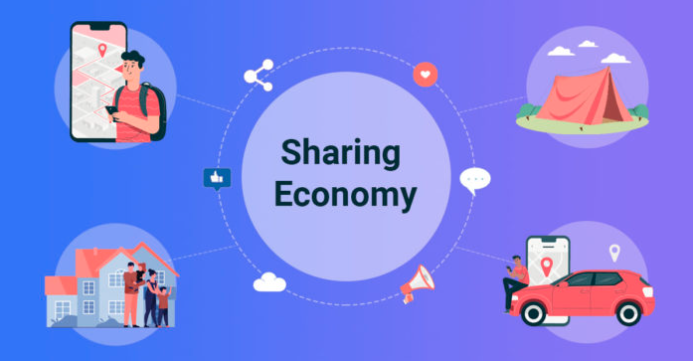
The sharing economy is a business model in which individuals can rent out or share their assets or services with others to increase the lifetime of their assets and hence reduce waste and hyperconsumption. This model is enabled by technology platforms that connect people who have underutilized assets or skills with people who need them (peer to peer transaction). One famous example of sharing economy businesses is Airbnb that allows you to share your accommodation.The sharing economy allows greater access to assets, lower costs, and a more efficient use of resources.
The article on the next page introduces the concepts of share economy as a means for circular economy. It also describes how the rise of digital tools such as platforms allows this solution.